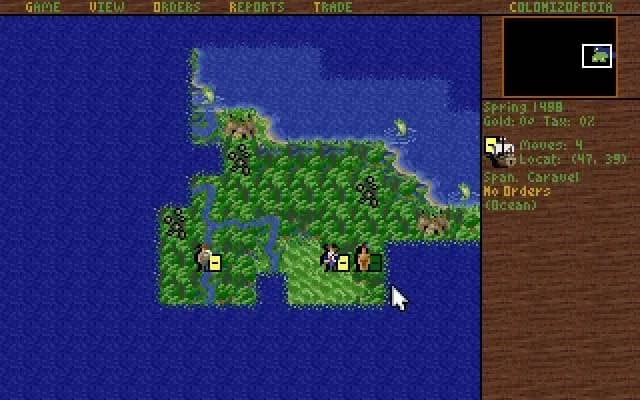
Colonization, on the desktop
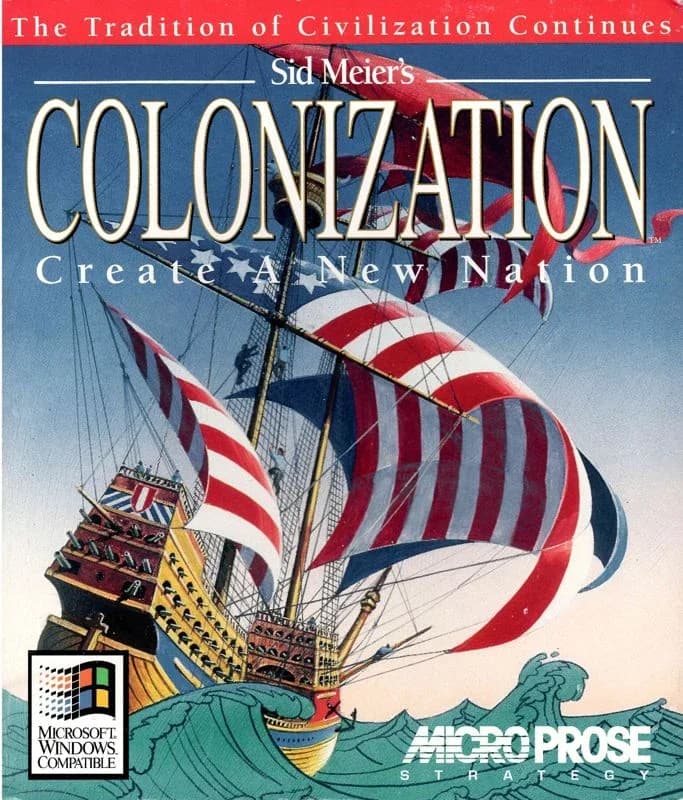
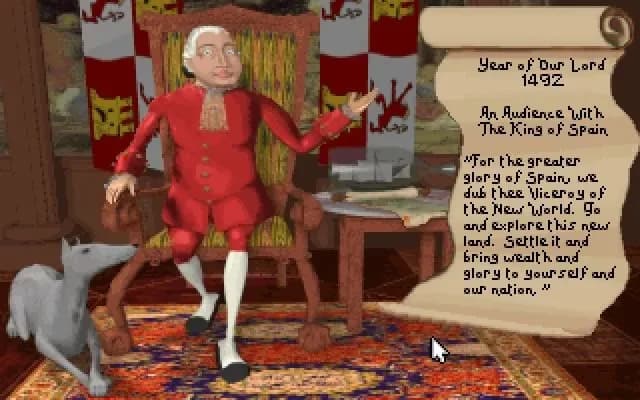
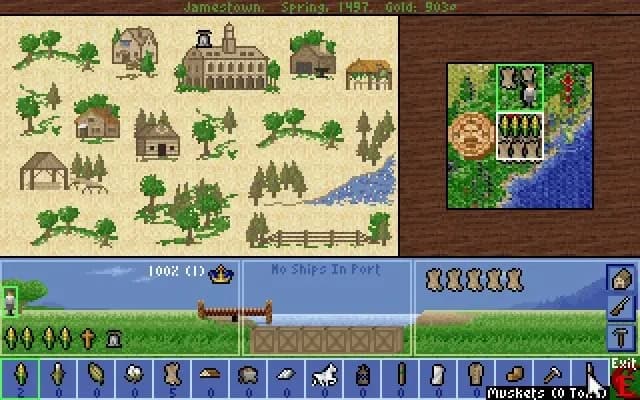
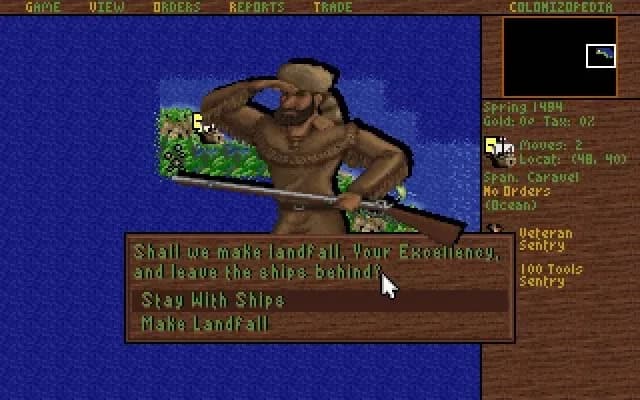
Sid Meier's Colonization for Windows is MicroProse's 1995 CD-ROM port of the 1994 DOS original to Windows 3.1, released the same year as the Amiga and Macintosh versions. Nothing about the game was redesigned: the same four European powers, the same New World to sail into, the same sixteen trade goods, the same 25 Founding Fathers, and the same War of Independence waiting at the end of it. The port reuses the original's artwork and interface rather than redrawing them — a screenshot of one is a screenshot of the other.
What's different from the DOS release
- It is a Windows program
- it installs, launches and quits like any other Windows 3.1 application. No DOS session to configure, no sound card to coax into working, no memory settings to argue with. In 1995 that was reason enough to buy it again.
- A recorded soundtrack
- the DOS version synthesised its fife-and-drum marches and folk tunes on your sound card in real time, so the game genuinely sounded different from machine to machine. The Windows CD release plays them back pre-synthesised from the disc: identical everywhere, and closer to what the arrangers intended.
- Identical rules
- the goods chain, the European market, the native nations, liberty bells and the Royal Expeditionary Force are untouched. Every strategy carries over, and so does the whole Colonization encyclopedia.
One thing worth knowing: the name ColWin is the community's, not MicroProse's. The box said Sid Meier's Colonization, the same as the DOS release — this was a port, not a new edition, and it was never sold as one.
The port's reputation
It is a mixed one, and worth being straight about. Colonization's interface was already mouse-driven under DOS, and the Windows build is widely reported to handle the mouse less reliably than the original — clicks that do not register, orders that need repeating. The port also has a long-standing name for instability on later versions of Windows; the fan-made col95 patch exists precisely because getting it running on Windows 95 and after took extra help.
The same game, met the way most people met it in 1995 — and the reason most veterans still reach for the DOS build.Colonization for Windows, in one line
None of that touches the design. What you are playing is Brian Reynolds and Sid Meier's 1994 game exactly as it was: a colonial economy deep enough that people are still arguing about optimal cotton routes three decades later.
Where it sits in the series
Colonization was Brian Reynolds' first major design, made with Sid Meier, and its reputation carried further than its sales: 350,000 copies by 1997, fourth-best game of all time in Amiga Power's 1996 list, and an economy strategy designers still borrow from. Reynolds went straight from here to the chair on Civilization II. The Windows port is the version that kept the game reachable through the late nineties, as DOS quietly disappeared from new machines.
Playing Colonization for Windows today
Play Sid Meier's Colonization for Windows in your browser — no setup, no installer, with save states kept locally and synced to your account when you sign in. If you would rather have the version most people consider the better-behaved one, the MS-DOS original is here too. For yields, prices and recruitment order, the encyclopedia covers both completely: the four powers, colonists and specialists, terrain and its yields, goods and trade and all 25 Founding Fathers.