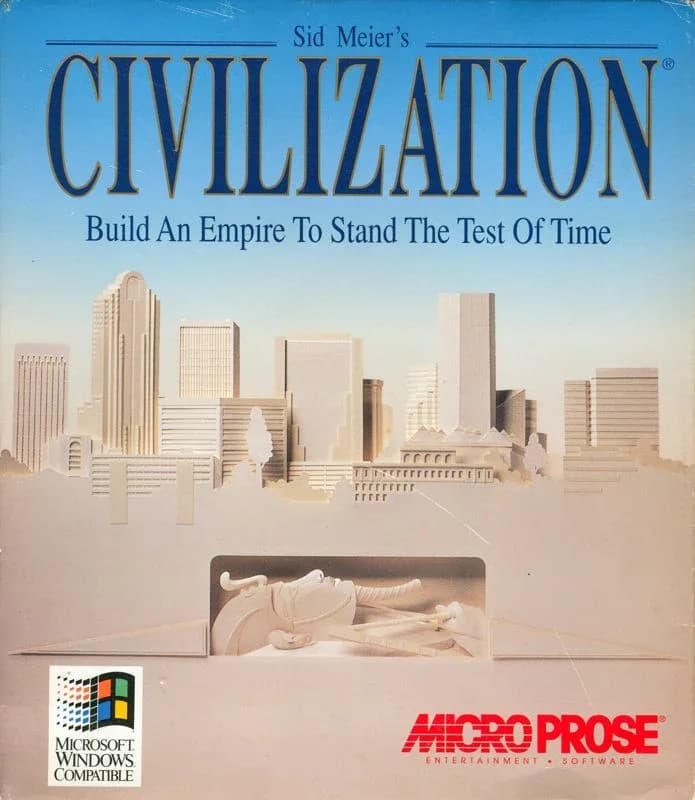
Sid Meier's Civilization (DOS)
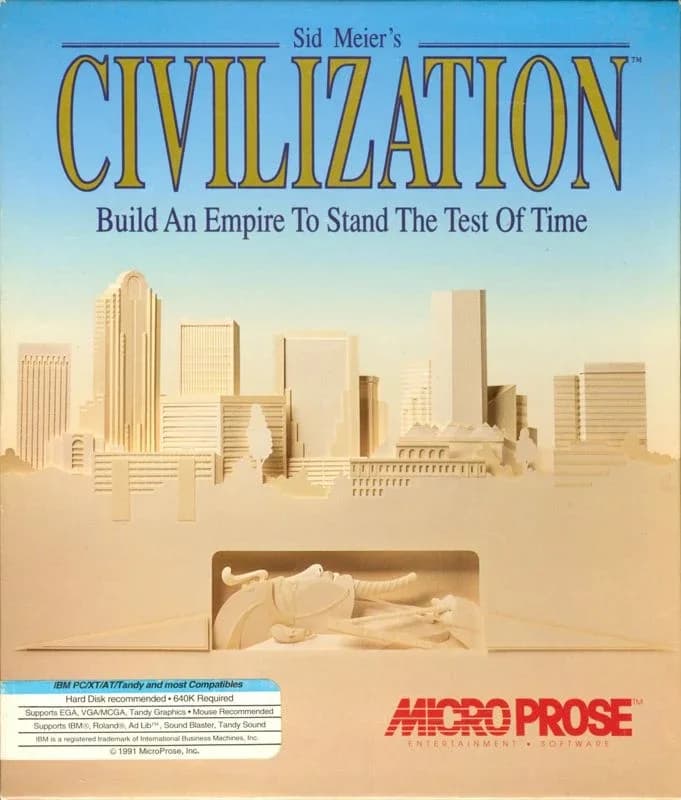
The original 4X. Guide a civilization from 4000 BC to the space age — found cities, research 67 advances, raise 21 wonders and outlast your rivals. Win by conquering the world, or by being first to Alpha Centauri.
The collection
Everything the classic Civilization era shipped — each title fully documented in the wiki, each one playable in the browser emulator — plus the 1991 original rebuilt as a native web port.

The original 4X. Guide a civilization from 4000 BC to the space age — found cities, research 67 advances, raise 21 wonders and outlast your rivals. Win by conquering the world, or by being first to Alpha Centauri.

The same legendary design as the 1991 original — 14 civilizations, 21 wonders, one world to win — running native in Windows 3.x with a mouse-first interface and a brighter 256-color palette.

Civilization (1991) rebuilt as a native web game — no emulator, no plugins. The original rules, graphics, texts and music, read from the original game files; touch controls, portrait layouts and an on-screen keyboard for phones and tablets; twelve save slots that sync to your account.

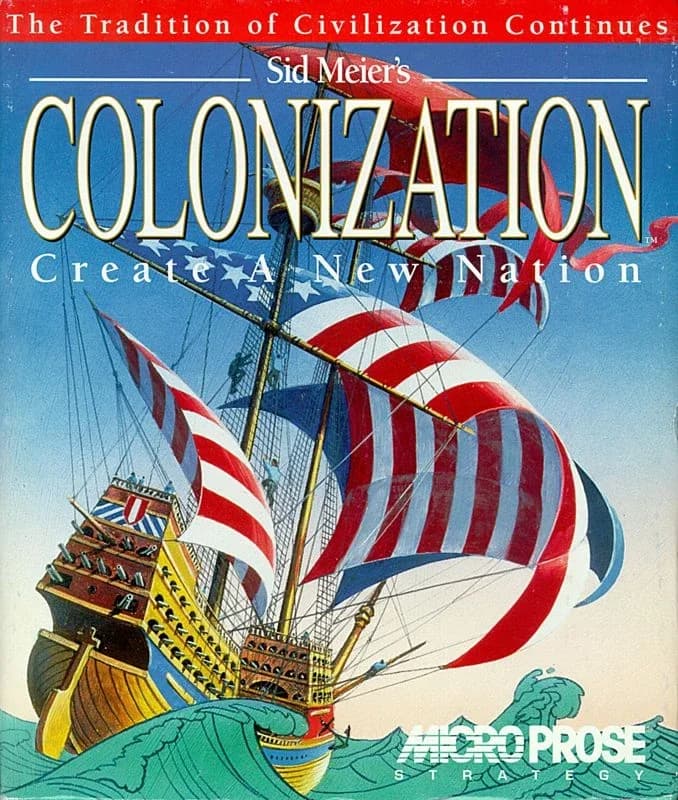
Cross the Atlantic in 1492 as England, France, Spain or the Netherlands. Build a colonial economy of sixteen goods, recruit 25 Founding Fathers, then declare independence — and survive the King's answer.

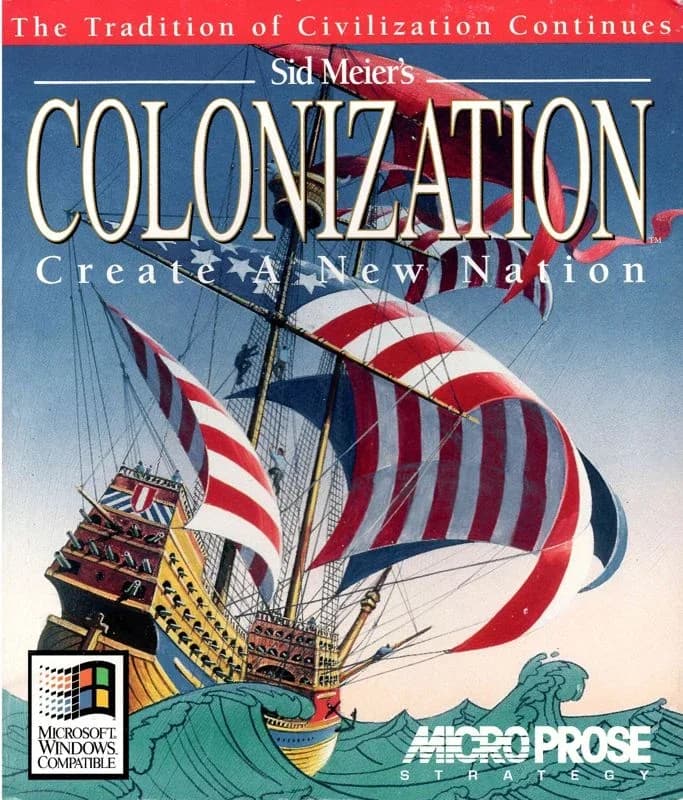
The 1995 CD release of Colonization for Windows: four European powers, sixteen goods, 25 Founding Fathers and one revolution — the DOS game exactly, launched from Windows, with the folk-tune score played back from disc.

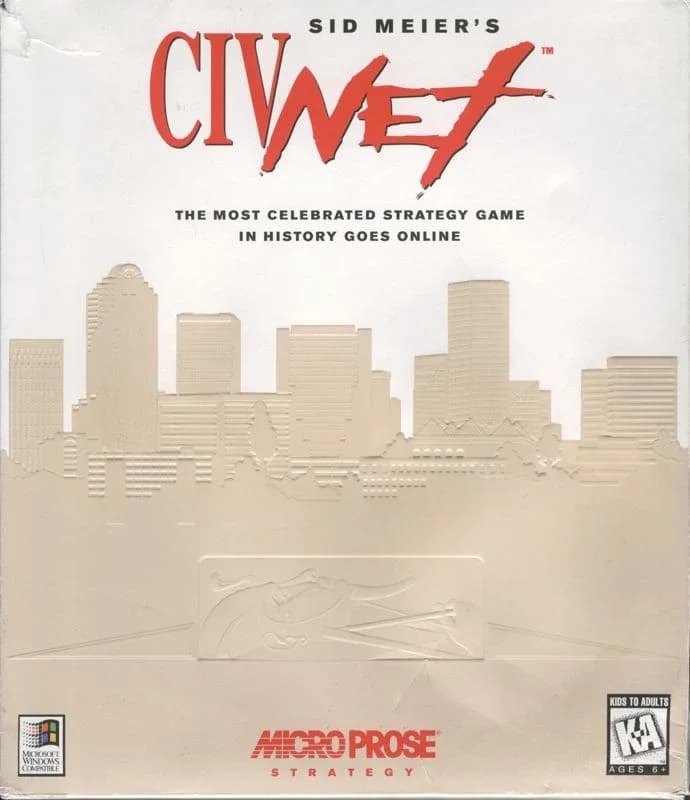
The multiplayer Civilization. Up to seven human rulers share one world over LAN, modem, serial link, early internet or hotseat — turn by turn or all at once — with a map editor and a civilization designer in the box.

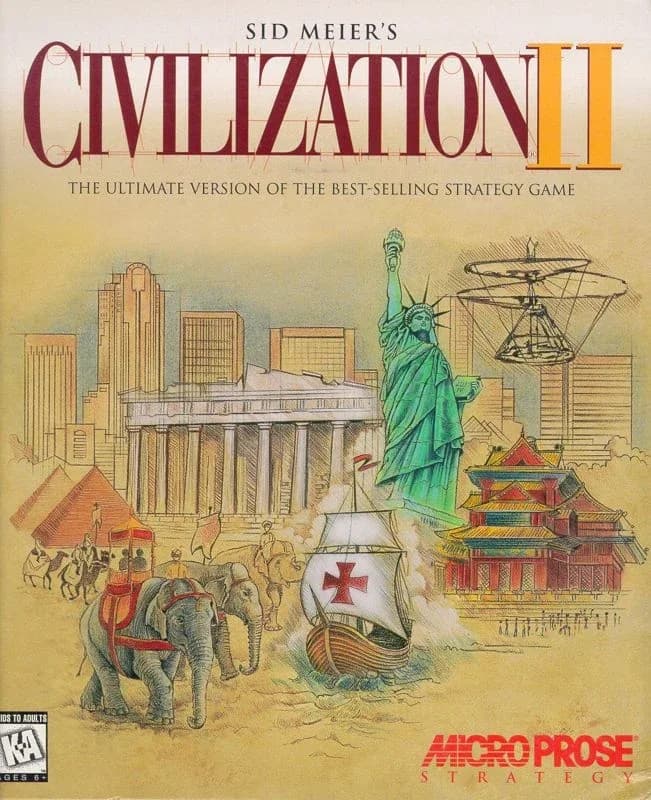
Brian Reynolds' celebrated sequel — isometric world, firepower and hitpoints, a High Council in full-motion video, and built-in editors that started a modding scene which never stopped. For a generation, simply "Civ."

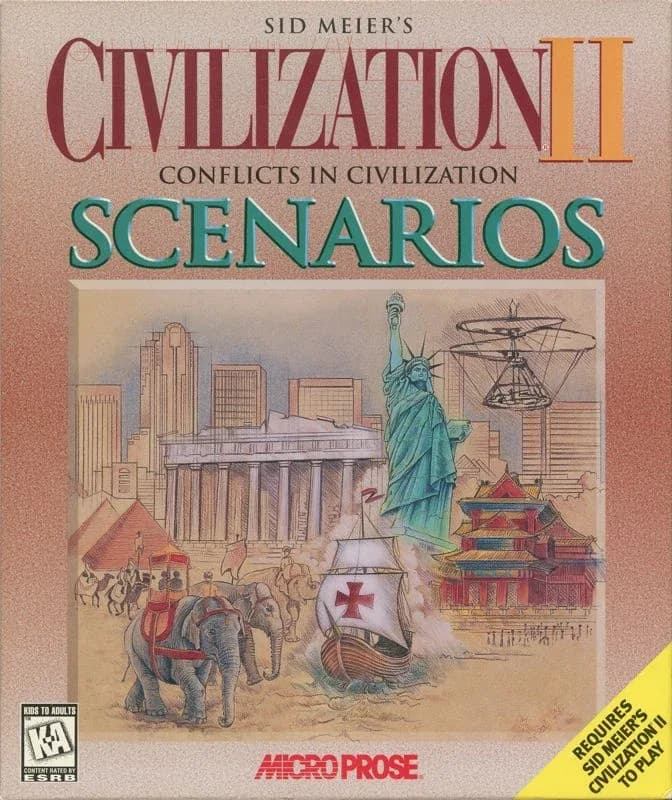
Twenty ready-made campaigns for Civ II — Alexander the Great, the Crusades, the Mongol Horde, the Great War, alternate futures — twelve from MicroProse's designers and eight curated from the community as the official 'Best of the Net'.

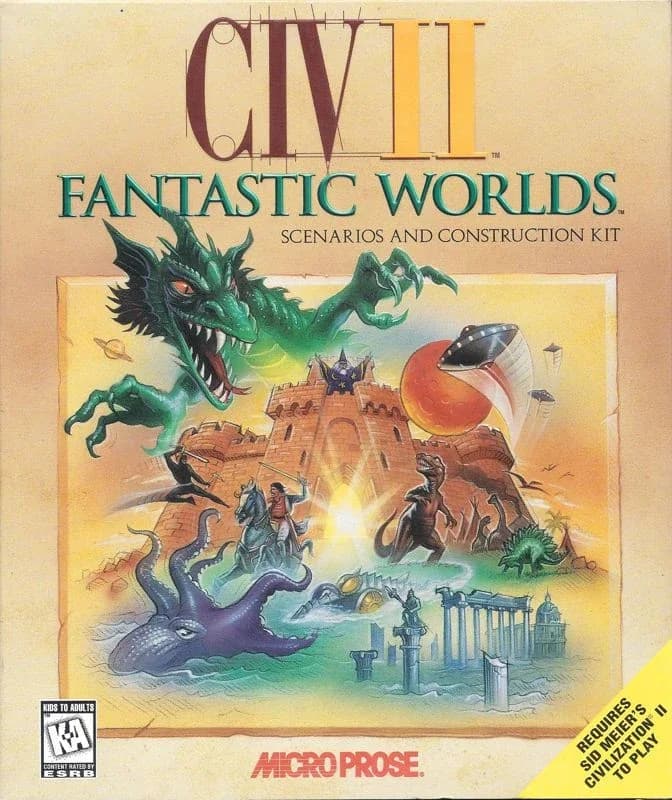
Mars terraforming, the fantasy realm of Midgard, Jules Verne adventures and MicroProse crossovers — plus the upgraded editor suite that became the standard toolkit of the Civ II modding community.

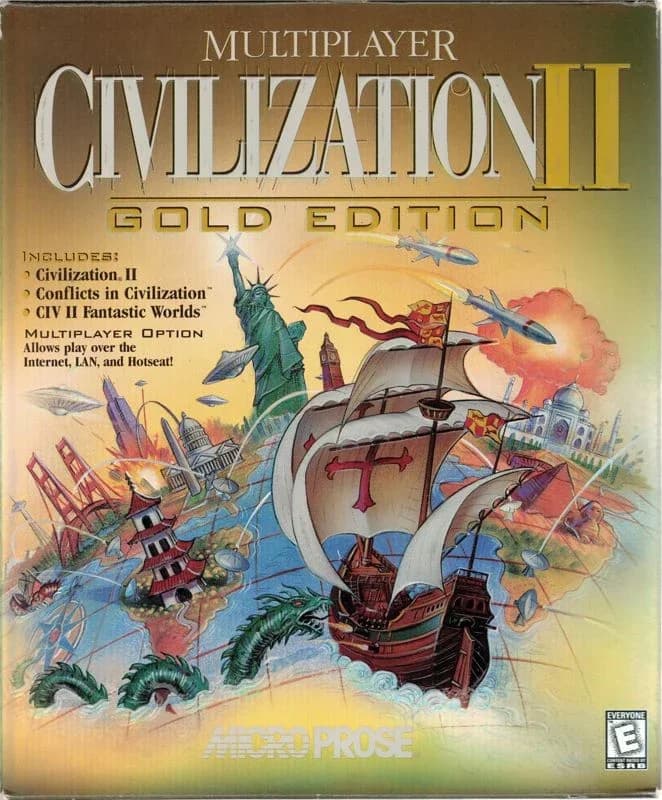
Everything Civ II in one box — the base game, Conflicts in Civilization and Fantastic Worlds — plus the feature fans had demanded since 1996: real multiplayer over LAN, modem, hotseat and the internet.

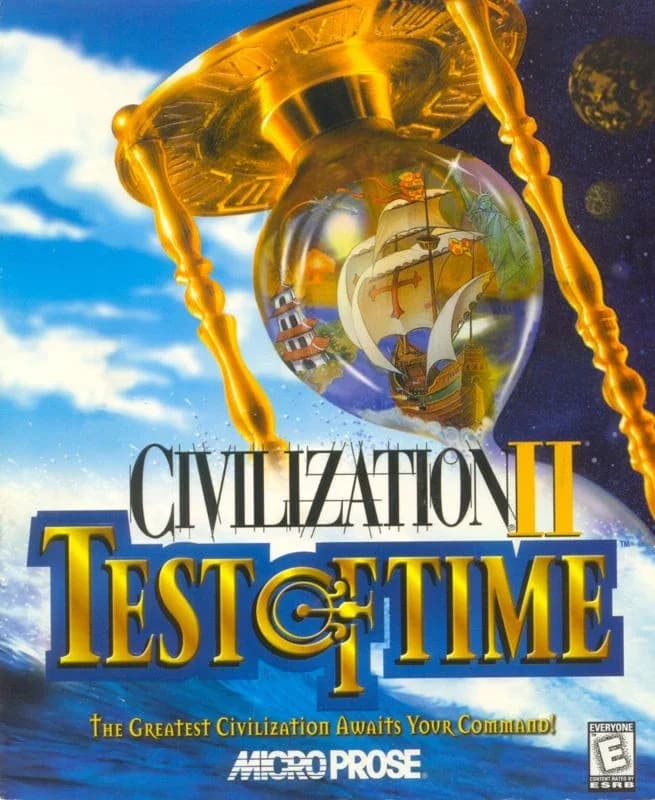
The Civ II engine's final form: campaigns stack up to four interlinked maps — Earth and Alpha Centauri, a surface and its underworld — across original, extended, fantasy and science-fiction games, with fully animated units.
Also from the era
The SNES adaptation (and later PlayStation and Saturn versions) proved the design survived a controller — and introduced a console generation to one more turn.
Volunteers started rebuilding Civilization as free software the year Civ II shipped, and never stopped. Three decades on it is still maintained — the longest-running answer to the question of what the rules would look like if they were ours.
Brian Reynolds took the space-race ending and made it a whole game at Firaxis. Not a Civ in name — unmistakably one in spirit, and where the classic team went next.